
How Technology Is Revolutionising Manufacturing
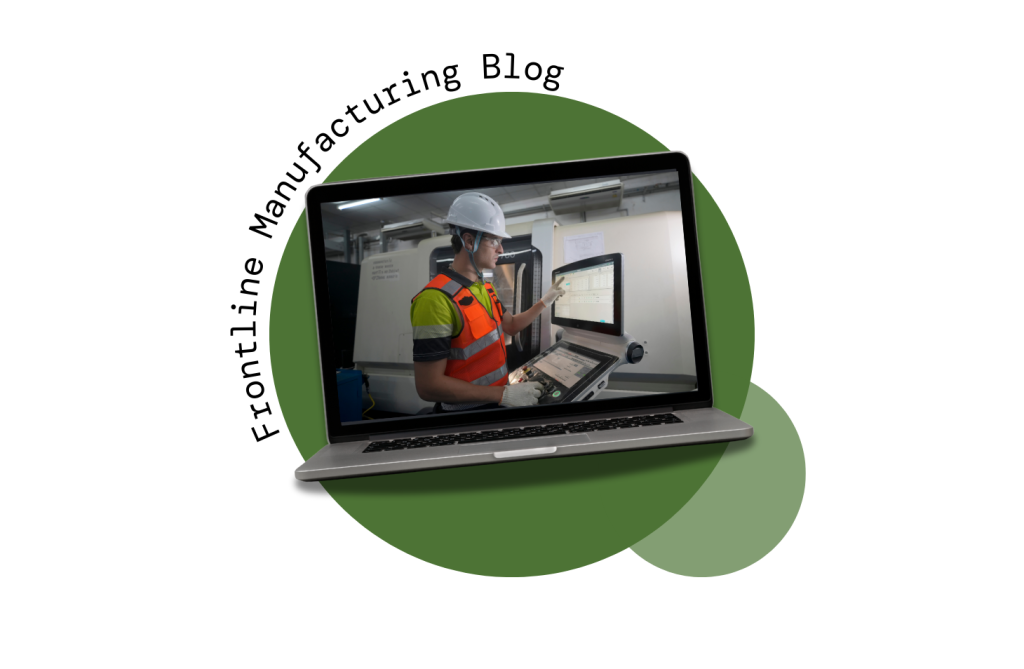
Manufacturing isn’t just changing, it’s transforming. Across Australia and around the world, advanced technologies are reshaping how products are designed, produced, delivered and improved. From automation and robotics to Artificial Intelligence (AI) and connected systems, these innovations are unlocking new levels of efficiency, flexibility and quality across the sector.
At its core, this transformation often labelled Industry 4.0 is about blending digital innovation with traditional manufacturing capability. Manufacturers that embrace this shift are better positioned to compete in a global market, attract skilled talent, and future-proof their operations.
What Is Industry 4.0 and Why It Matters
Industry 4.0 refers to the current era of manufacturing characterised by interconnected, intelligent systems. These systems use data, automation and connectivity to reduce waste, improve quality and respond to change faster than ever before.
Key technologies driving this evolution include:
- Internet of Things (IoT): sensors and devices that collect real-time data from machines and production lines, enabling smarter decision-making.
- Artificial Intelligence (AI): from real-time optimisation to predictive maintenance and quality control.
- Automation & Robotics: automated systems that enhance precision and take on repetitive or high-risk tasks.
- Advanced Analytics & Cloud Computing: turning vast amounts of data into actionable insights for efficiency gains and better planning.
These technologies collectively enable smart factories, environments where physical processes relate to digital systems, and decisions can be made autonomously or with minimal human intervention.
Real-World Impacts on Manufacturing Performance
- Enhanced Efficiency and Productivity
Automation and connected systems streamline production flows by minimising downtime and optimising resource use. IoT sensors can detect early signs of mechanical wear and schedule maintenance before failures occur, increasing uptime and efficiency across the shop floor.
Smart analytics also help manufacturers identify bottlenecks and continuously improve their processes enabling more output with less waste.
- Higher Quality and Consistency
AI-enabled quality control can inspect products in real time, quickly spotting defects that would be difficult for humans to detect at scale. This leads to:
- reduced rework costs
- improved reliability
- stronger brand reputation
By integrating data from multiple systems, manufacturers gain a clearer view of product quality throughout the value chain.
- Greater Flexibility and Customisation
Modern consumers increasingly demand personalised products, but traditional mass production wasn’t designed for that. Smart factories use flexible automation and AI to make changes in real time, allowing manufacturers to:
- switch production lines quickly
- customise orders without increasing costs
- respond to shifting demand patterns without significant delays
This flexibility is a competitive advantage in fast-moving markets.
- Data-Driven Decision Making
Data is the lifeblood of digital manufacturing. Connected technologies and analytics platforms provide insights that allow leaders to make informed decisions rapidly. This ranges from supply chain adjustments to scheduling optimisation and workforce planning, all based on real-time operational data rather than intuition.
Australia’s Technology Adoption in Manufacturing
Australia’s manufacturing sector, traditionally characterised by smaller specialist firms serving local and export markets is increasingly embracing Industry 4.0 approaches. Smart factories equipped with IoT sensors and advanced automation are improving productivity and reducing waste, while initiatives like Made in Victoria prioritise digital and low-emission manufacturing technologies that help local companies stay competitive.
This adoption not only boosts productivity and global competitiveness but also helps manufacturers respond more quickly to supply chain challenges and customer expectations.
Human + Tech = The Future Workforce
While technology is transforming operations, people remain central to success. Advanced systems require skilled operators, data analysts, maintenance professionals and leaders who understand both digital and operational imperatives.
In fact, the shift toward smart manufacturing is creating new roles and career opportunities that combine technical expertise with strategic thinking. Manufacturers that invest in upskilling and reskilling their workforce will be best placed to leverage the full potential of Industry 4.0.
Looking Ahead: A Continuous Evolution
The revolution in manufacturing technology is not a one-off event; it’s an ongoing journey. Emerging trends like hyper-automation: integrating AI, machine learning and robotics end-to-end, hint at future capabilities that will further streamline complex processes and enhance adaptability.
Digital transformation also opens the door to innovations like virtual manufacturing (simulation of processes and systems to optimise before physical deployment) and cloud manufacturing (integrating distributed resources into a unified ecosystem).
As technology advances, manufacturers that adopt a holistic approach, combining digital innovation with workforce development, sustainability initiatives and data-driven strategies will be better positioned to lead in a competitive global landscape.
Conclusion
Technology is revolutionising manufacturing in profound ways. By harnessing the power of IoT, AI, robotics and advanced data analytics, manufacturers are achieving higher efficiency, flexibility, quality and resilience. Australia’s manufacturing sector stands to benefit significantly from this transformation provided businesses embrace both the tools and the talent needed to succeed.
Adopting an integrated, tech-enabled approach isn’t just about staying current it’s about thriving in a future where intelligence, connectivity and agility define competitive advantage.