
Fostering Innovation Through Collaboration: Why Manufacturing Companies Must Partner with Robotics Developers
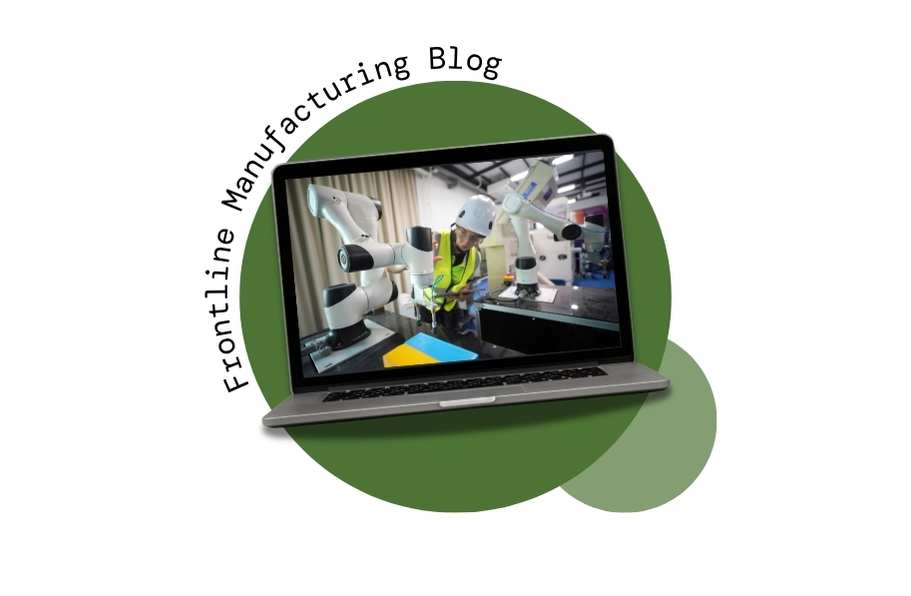
There’s a growing contradiction at the heart of modern manufacturing.
At a time when demand for speed, precision, and innovation has never been higher, many manufacturers are still relying on workforce models that were never designed for today’s complexity. Meanwhile, robotics technology is advancing rapidly but too often, it’s implemented in isolation rather than in partnership.
The result? Missed opportunities for innovation, efficiency, and long-term competitiveness.
The Innovation Gap in Modern Manufacturing
Manufacturing is under pressure from all sides such as labour shortages, rising costs, and increasing demand for faster production cycles.
Globally, labour shortages continue to strain manufacturing output, with robotics increasingly stepping in to fill critical gaps and automate repetitive or hazardous tasks. At the same time, Industry 4.0 technologies are delivering measurable gains, boosting production capacity by up to 10–15% and reducing costs by 5–7%.
Yet despite this, many organisations still approach robotics as a tool not as a strategic partner in innovation.
From Automation to Collaboration: A Shift in Thinking
The most forward-thinking manufacturers are no longer asking, “How can we automate this process?” They’re asking, “How can we collaborate to innovate?”
This is where partnerships with robotics developers become critical. Collaborative robots (or “cobots”) are designed to work alongside human operators, enhancing flexibility, safety, and productivity on the factory floor. In fact, human-robot collaboration allows workers to focus on tasks requiring creativity and decision-making, while robots handle repetitive and high-risk activities.
What Effective Collaboration Looks Like in Practice
- Co-Designing Solutions, Not Just Deploying Technology
The most successful manufacturers work with robotics developers early co-co-creating systems tailored to their operations.
Modern robotics trends show a shift toward customised, modular solutions designed around specific industry needs rather than one-size-fits-all automation.
- Building Flexible, Future-Ready Operations
Collaborative robotics enables manufacturers to adapt quickly to changing demand.
With up to 90% of manufacturing tasks still difficult to fully automate, cobots fill the gap offering flexibility in areas like assembly, inspection, and packaging.
- Enhancing Workforce Capability, Not Replacing It
The narrative that robots replace people is outdated.
In reality:
- Robots handle repetitive, dangerous tasks
- Humans focus on problem-solving and innovation
This balance improves safety, efficiency, and job satisfaction a critical factor in retaining skilled workers.
- Driving Measurable Performance Gains
When collaboration is done right, the results are significant:
- Increased production efficiency and speed
- Reduced error rates and improved quality
- Lower operational costs over time
- Faster lead times and improved responsiveness
Industry data shows robotics can improve quality by up to 20% and reduce lead times by up to 50%.
The Mistake Most Manufacturers Are Still Making
Many organisations still treat robotics as a capital investment decision rather than a strategic capability. This leads them to:
- Implement technology too late
- Fail to involve their workforce in adoption
- Miss the opportunity to innovate collaboratively
The reality is this: Technology alone doesn’t create competitive advantage how you integrate it does.
The Bigger Picture: Collaboration as a Competitive Strategy
We’re now entering the era of Industry 5.0 where the focus is not just on automation, but on human-centric, collaborative systems.
This model involves:
- Innovation comes from the intersection of people and technology
- Robotics developers are not vendors, they are partners
- Workforce strategy and technology strategy are inseparable
Manufacturers who embrace this shift will not only improve efficiency, but they will also redefine how value is created.
Where Recruitment Fits In
Here’s the part many organisations overlook: You can’t build a collaborative, innovation-driven manufacturing environment without the right people. That means:
- Hiring talent that can work alongside advanced technologies
- Building teams that are adaptable and future-focused
- Structuring roles that evolve with automation, not compete with it
Great recruitment is no longer just about filling roles but about building a workforce that can operate, adapt, and innovate within a technology-driven environment.
Conclusion
Fostering innovation in manufacturing isn’t just about adopting robotics, it’s about collaborating with the people and partners who make that technology work.
Those who get this right won’t just keep up with change. They’ll lead it.