
Why Your Site Induction Is the Most Important Safety Conversation You Will Have
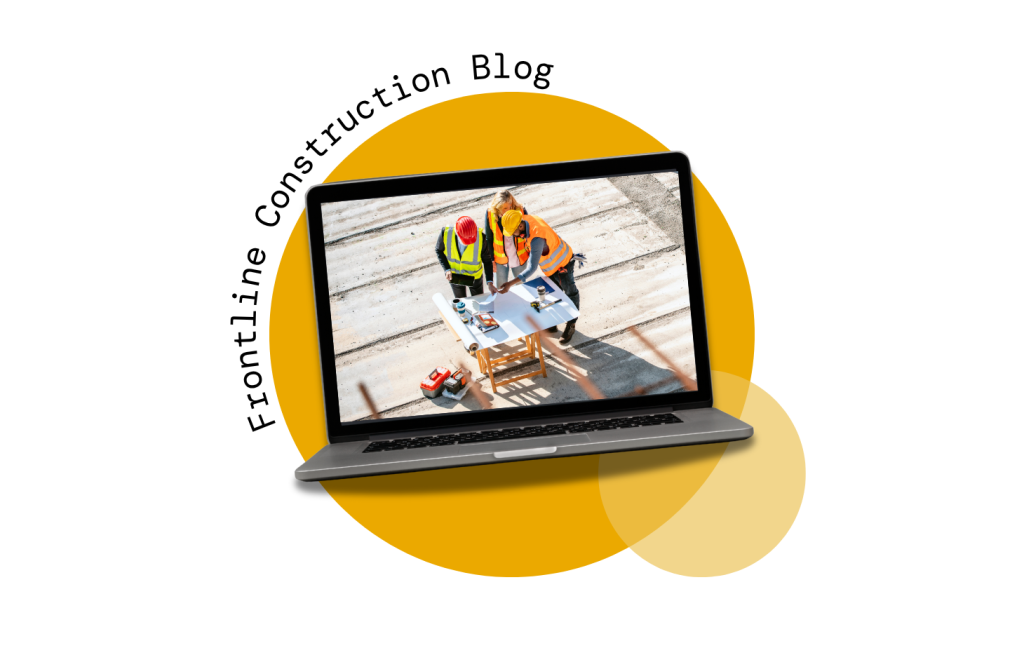
The first day on a new construction site is when a worker is most at risk. They do not know the layout. They have not yet learned the site’s rhythm, its hazards, or its specific ways of doing things. And if they have not been properly inducted, they are navigating all of that alone.
According to Safe Work Australia’s Key WHS Statistics 2025, construction accounted for 20% of all workplace fatalities in Australia in 2024, with 37 workers killed on the job nationally. Falls from heights, being hit by moving objects, and vehicle incidents remain the leading causes. These are not random events. They are overwhelmingly the kinds of incidents that a thorough, well-run site induction is specifically designed to prevent.
What a Good Induction Actually Does
A site induction is not a box to tick before work begins. It is the moment a new worker learns everything they need to know to stay safe, and everything a site needs them to understand to keep everyone else safe too.
According to Safe Zone Training’s construction safety research, a well-conducted site induction can significantly reduce accident rates by addressing common hazards before workers encounter them, improving safety performance by equipping people to respond to incidents correctly, and building the kind of team culture where workers look out for one another. According to Tyrolit Australia’s 2026 construction safety guidelines, SafeWork NSW data shows that sites maintaining comprehensive induction records experience fewer prosecution outcomes than those with incomplete documentation, even when incidents do occur.
That last point matters. In Queensland, penalties for failing to report serious incidents to WHSQ increased in February 2026, and rolling compliance campaigns are ongoing into this year. A thorough, signed-off induction is not just good practice. It is your first line of legal defence.
What Every Induction Needs to Cover
According to WorkSafe Queensland, a site-specific induction is legally required before any worker starts construction work on a non-housing site. But the legal minimum and a genuinely effective induction are not always the same thing.
The topics that matter most are the ones new workers are least likely to already know: site-specific hazards and risk controls that are unique to this project, traffic management plans and pedestrian access routes, emergency procedures and where assembly points are located, SWMS and JSA procedures and what is expected of workers, PPE requirements and how to use equipment correctly, incident and hazard reporting procedures so workers know what to do if something goes wrong, and the policies on fatigue, drugs, alcohol, and smoking that apply on site.
The documents that should be provided and signed off include a site map, an emergency contact list, site-specific SWMS or JSA forms, a project safety management plan summary, and an induction sign-off sheet completed by both the worker and the facilitator. Without that sign-off, you have no record that the induction happened.
The Cost of Getting It Wrong
According to Safe Work Australia, musculoskeletal disorders alone account for 42% of construction industry injuries in Australia, many of which are linked to improper manual handling practices that a proper induction would have addressed. The financial, human, and reputational cost of a preventable incident far exceeds the time it takes to run a thorough induction before work begins.
From our conversations with construction businesses across Australia, the sites with the strongest safety records are the ones that treat inductions as a genuine conversation, not a form to get through as quickly as possible. The facilitator sets the tone. If the induction is rushed, workers notice.
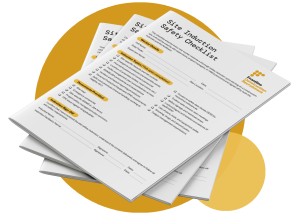
To make this easier for site supervisors, project managers, and HSEQ personnel, we have put together a practical, printable Site Induction Safety Checklist covering worker details, all required induction topics, documents to be provided, and a sign-off section for both the inductee and the facilitator. Download it below and use it on every new start.
At Frontline Construction, we place workers across Australia who arrive on site ready to work safely and productively. If you are building your team for the second half of 2026, get in touch.
Sources: Safe Work Australia, Key WHS Statistics Australia 2025 · Smith’s Lawyers, The Construction Crackdown: Why Queensland’s Building Sites Are Coming Under the Microscope, April 2026 · Safe Zone Training, Why Are Site Inductions Critical For New Construction Workers? · Tyrolit Australia, Construction Safety Guidelines 2026, February 2026 · WorkSafe Queensland, Site Specific Induction Requirements · Frontline Construction Recruitment, Site Induction Safety Checklist 2026