
Your Retail Seasonal Planner: How to Stay Ahead of Every Peak Period
A practical month-by-month guide to hiring, staffing, and running a smoother retail year.
Here is the thing about retail peak seasons: they always feel like they arrive ahead of schedule. One week you are managing a quiet July, and the next you are staring down Father’s Day, Footy Finals, Black Friday, and Christmas all at once, wondering when exactly you were supposed to start hiring.
The answer, for operators in both Australia and New Zealand, is right now. The hiring cycle for a quality seasonal employee typically runs eight to ten weeks from sourcing through to onboarding, which means a mid-November start date requires a July conversation. According to SEEK NZ’s December 2025 Employment Report, retail and consumer products job ads dropped 13% over the quarter heading into summer, meaning the competition for good people tightens sharply as the season approaches and available talent thins out.
In Australia, Indeed Hiring Lab data shows Christmas-related job postings begin appearing as early as July, ramping up sharply through August and October. The retail job vacancy rate still sits 65% above its pre-pandemic average. In both markets, the operators who plan ahead consistently come out of peak season with stronger teams, better customer experiences, and fewer last-minute scrambles.
This planner is designed to help you do exactly that. Work through it month by month and you will always know what to focus on before the busy period hits.
January: Recover Smart and Restock Well
Post-Christmas sales are still trading, back-to-school is arriving, and your team is running on fumes. January is the time to run stocktake, manage returns efficiently, and complete onboarding for any seasonal staff you want to roll into permanent or ongoing arrangements. A quick debrief with your team while the peak is fresh is also worth scheduling before the detail fades. According to Stats NZ’s January 2026 Employment Indicators, seasonally adjusted filled jobs across all industries rose 0.2% through January, a sign that the labour market stays active even through the summer holiday period.
February and March: Breathe, Review, Develop
Valentine’s Day gives February a lift with gifting and promotions, but this is genuinely one of the quieter stretches of the retail year in both countries. Use it well. Review your Q1 sales data, identify what worked and what did not, and invest in staff development while the floor pressure is lower. The team members you develop now are the ones who become your supervisors and shift leaders by November.
April and May: Short Wins and Gifting Season
Easter and school holidays in April call for short-term staffing top-ups and family-focused promotions. In New Zealand, Anzac Day falls in this window and carries its own trading considerations. Mother’s Day in May is a genuine gifting spike in both markets, with email campaigns and bundling strategies worth planning well ahead of the week itself.
June: EOFY and the Halfway Mark
For Australian retailers, EOFY is still a strong trading period for many categories, and a good moment to run staff incentives and clear stock. In New Zealand, the financial year runs to March, so June is more about mid-year reviews and preparing the team for the second half of the trading calendar. In both markets, this is the right time to take an honest look at your team structure before demand picks up again.
July and August: The Window That Most Operators Miss
This is it. This is the window.
July brings winter promotions and school holidays across both countries, and August is historically retail’s quietest month. But the operators who use August well are the ones best placed when Father’s Day arrives in September and peak hiring pressure ramps up in October.
According to Retailworld NZ, most candidates will not leave their current roles mid-peak, making July the last realistic point to start a quality hire before the season. If you are planning to recruit in late September or October, you are likely already too late for the best people. Use July and August to forecast foot traffic and sales targets, lock in your seasonal staffing plan, and start promoting roles early on Seek and Trade Me Jobs before every other operator is doing the same.
September and October: Father’s Day, Footy Finals, and Christmas Setup
Father’s Day in September and Footy Finals bring their own trade spikes for Australian venues and retailers. In New Zealand, Labour Weekend in late October is a significant retail moment and a useful marker for whether your team is ready for the Christmas run.
October is when Christmas hiring needs to be finalising, not starting. In Australia, Indeed data shows Christmas job postings peaked at almost 3% of all job postings in October last year. Cross-train staff across roles, finalise rosters with backup options, and set clear shift expectations before the real pressure begins.
November: Black Friday, Cyber Monday, Maximum Staffing
Black Friday has become a major retail event across both Australia and New Zealand, and it is getting more complex. According to Prological’s Supply Chain Pulse Check Survey 2026, last year’s peak season saw consumer spending stay flat until the third week of November before spiking sharply, catching operators who had hired casuals too early without the staff they needed at the critical moment.
Keep your team engaged and rostered through all of November with daily huddles, clear communication, and a culture where people feel part of something rather than just filling shifts. According to Auckland Scoop’s reporting on the 2025 season, Retail NZ noted that more than 60% of members chose not to hire additional Christmas staff, instead asking existing teams to absorb the load. That is a short-term fix with long-term retention consequences.
December: Christmas, Boxing Day, and Full Coverage
Customer experience is everything in December. Everyone on the floor should already know the role, know the product, and know the team. Your job as a manager is to protect the culture, manage fatigue, and make sure every shift has what it needs to deliver.
Create a simple survival guide for your team heading into the Christmas sprint: clear escalation paths, break schedules, stock replenishment processes, and a genuine thank-you for the effort people are putting in. The teams that feel looked after in December are the ones who come back in January.
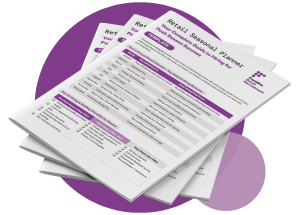
👉 Click to download Our Free Retail Seasonal Planner
We have put together a practical, printable Retail Seasonal Planner template covering the full annual calendar, key retail events, peak hiring moments, and a season-by-season staffing checklist. Download it below and keep it on hand for the rest of 2026.
At Frontline Retail, we work with retailers across Australia and New Zealand to find the right people for the floor, the stockroom, and the supervisory level. If your peak season team needs strengthening, now is exactly the right time to start that conversation.
Sources: SEEK NZ, Employment Report December 2025, cited in Successful CVs, Navigating the New Zealand Job Market Over the Holiday Season, January 2026 · RX Group, Retail Peak Starts Now: Don’t Miss Your Window, July 2025 · Indeed Hiring Lab Australia, Santa’s Little Helpers Wanted, September 2024 · Inside Retail Australia, The Figures Revealing Retail’s New Operational Challenge, February 2026 · Prological, Supply Chain Pulse Check Survey 2026 · Auckland Scoop, What Is Black Friday and Why Is It a Big Deal in New Zealand, November 2025 · Stats NZ, Employment Indicators January 2026 · Frontline Retail, Retail Seasonal Planner Template 2026