
Why Safety Culture Is the Most Important Thing You Hire for in Construction
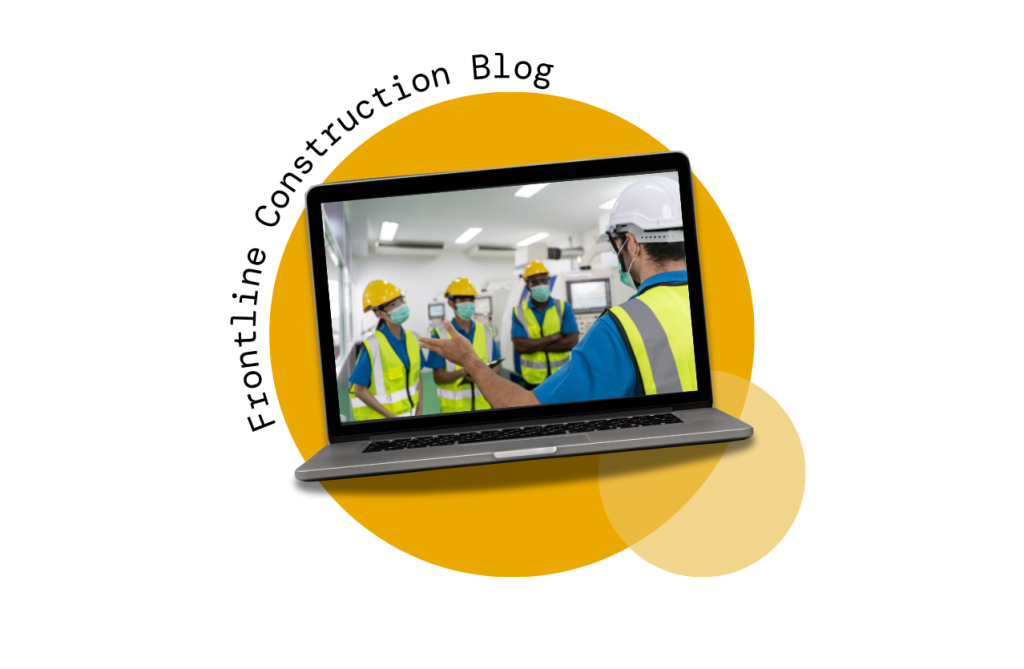
A mindset cannot be certified. But it can be screened for.
Australia’s construction safety record is improving. According to Build Australia’s February 2026 report citing Safe Work Australia data, workplace fatalities fell to 167 in 2025, down from 188 the previous year, with construction among the sectors showing measurable improvement. That is genuinely encouraging progress.
But construction still accounted for 20% of all workplace fatalities in 2024 according to Safe Work Australia’s Key WHS Statistics 2025, with falls from height and being hit by moving objects among the leading causes. The numbers are moving in the right direction. The work is far from done.
The difference between a site that improves and one that does not often come down to a single factor: safety culture. And safety culture starts with who you hire.
Skilled Does Not Always Mean Safe
This is the thing that catches a lot of hiring managers out. A tradesperson can hold every relevant ticket and still be a safety risk on site if their mindset is wrong. A safety mindset is not a qualification. It is a set of behaviours: recognising hazards before they become incidents, owning responsibility for your actions, being willing to speak up or stop work when something does not look right, adapting to changing site conditions, and genuinely looking out for the people working alongside you.
According to the Australian Institute of Health and Safety, one of the most effective tools in preventing workplace harm is strong frontline safety representation, workers who actively raise concerns early and turn safety policy into real action before incidents occur. That is exactly the kind of person worth screening for at every level of hire, from labourers and machine operators through to carpenters, electricians, plumbers, and riggers.
How to Screen for a Safety Mindset
The good news is that a safety mindset can be identified during the hiring process if you know what to look for and which questions to ask.
Structured behavioural interviewing is the most reliable starting point. Questions like “Can you tell me about a time you stopped work due to a safety concern?” or “Have you ever reported a safety issue others overlooked?” reveal how a candidate actually behaves on site, not just what they know in theory. The answer to those questions tells you more than a certificate ever will.
Real-world scenario testing is equally valuable. Presenting a trade-relevant scenario, such as asking an electrician how they would handle a confined space with unclear lockout and tagout status, shows you how a candidate thinks under pressure. Pre-employment safety assessments covering PPE use, risk assessments, SWMS and JSA procedures, and emergency response add a further layer of confidence.
Reference checks with a safety lens are often overlooked. Asking a referee how a candidate approached safety on site, whether they ever took initiative around a hazard, and whether there were any incidents or near misses involving them is information that significantly changes the picture of who you are considering.
Safety Culture Does Not Stop at Hire
Screening is the start, not the finish. Onboarding is where safety expectations are either embedded or undermined. A thorough site induction covering site-specific risks on day one, a collaborative SWMS or JSA walkthrough with a new starter, and an introduction to your site safety champions all reinforce that this is a workplace that takes safety seriously from the first shift.
According to Safe Work Australia, the most effective safety improvements come from collaboration between workers and leaders, not top-down policy alone. The sites that are genuinely improving their safety record are the ones where that collaboration starts at the point of hire.
From our experience placing construction workers across Australia, the businesses with the strongest safety cultures are the ones that treat safety mindset as a non-negotiable hiring criterion, at every level, not just for supervisory roles.
 Download our free Safety Culture Playbook for a complete guide to screening for safety mindset across trades, including trade-specific risk tables, behavioural interview questions, and onboarding alignment tools.
At Frontline Construction, we work with builders, subcontractors, and project teams across Australia to find the right people for site, supervisory, and management roles. If you are building a team that performs and a site that is safe, we would like to be part of that conversation.
Sources: Build Australia, Australian Workplaces Are Becoming Safer in 2026, February 2026 · Safe Work Australia, Key Work Health and Safety Statistics Australia 2025 · Australian Institute of Health and Safety, cited in Build Australia, February 2026 · Safe Work Australia, Model Work Health and Safety Act · Frontline Construction Recruitment, Safety Culture Playbook 2026