
Why Leadership Is Essential to Health and Safety Success in Australian Manufacturing
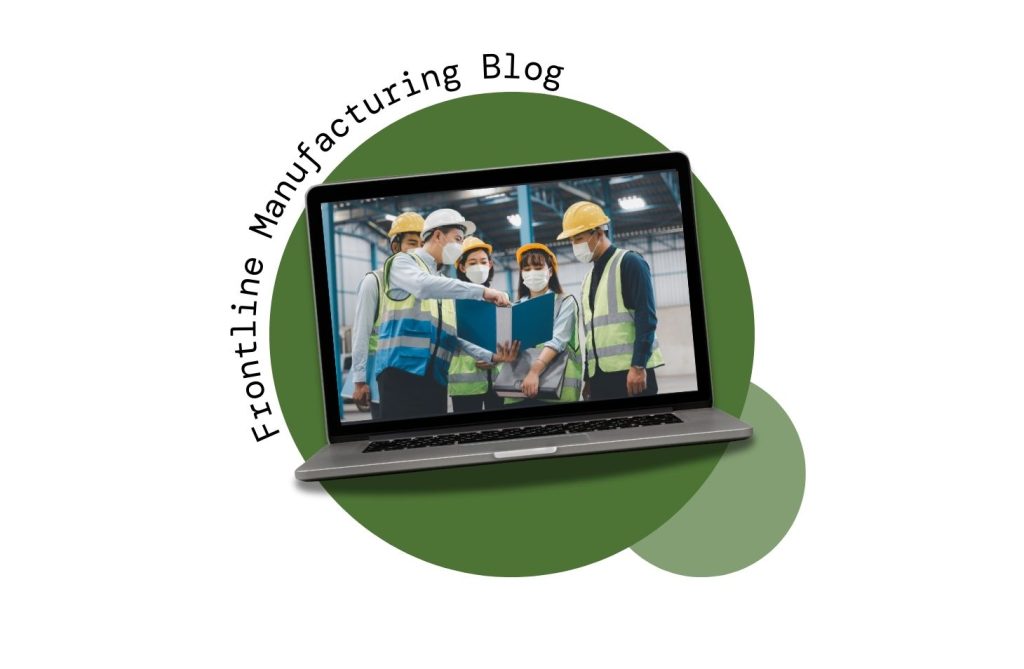
In Australian manufacturing, the difference between a compliant safety plan and a truly safe and thriving workplace often comes down to strong leadership. With manufacturing among the six industries most affected by serious workplace injuries and contributing significantly to reported traumatic fatalities, leadership that actively champions safety can protect people, strengthen performance, and help your business build trust and stability.
According to the latest Safe Work Australia data, there were 188 work-related traumatic fatalities in 2024, and the overall fatality rate was 1.3 deaths per 100,000 workers, lower than the five-year average. While this positive trend is encouraging, the fact that manufacturing remains a leading contributor to serious claims highlights why leadership matters now more than ever.
Why Leadership Matters in Safety
- Safety Culture Comes from the Top
Cultureisn’t a poster on the wall; it’s what leaders do. When leaders visibly prioritise safety, teams take notice. Leading by example: attending site safety briefings, walking the floor, asking frontline teams about their concerns reinforces that safety is valued every day, not just during audits. - Leaders Turn Data into Action
Withserious injury claims involving hazards like slips, falls, body stressing and equipment incidents, leadership that uses current safety data can anticipate risks rather than react to them. - Better Leadership Drives Better Performance
Manufacturers with proactive safety leadership are more likely toretain skilled workers. Especially in tight labour markets where good talent is sought after, employees prefer workplaces where care for wellbeing is visible and consistent.
Building Safety Leadership: Practical Steps
Empower Everyone to Contribute
Encourage reporting of hazards without fear. When workers feel heard, issues get resolved before they become serious incidents.
Embed Safety into Routine Operations
Talk about safety as early as production planning, not just during compliance checks. Connect safety outcomes with operational goals like efficiency, waste reduction and quality.
Invest in Visible Training and Support
Training isn’t a checkbox. When it’s frequent, relevant, and interactive, teams feel more confident and capable and leaders earn credibility.
Use Coaching Instead of Commanding
Ask questions like “What concerns do you have this week?” or “What could improve your comfort and confidence on this task?” Leadership that listens builds trust.
Optimism Through Progress
While the absolute numbers around workplace fatalities are sobering, statistics show real improvement in safety outcomes and that’s something every employer can build on. By embedding purposeful leadership into daily routines, manufacturing employers can create workplaces where people are safe, valued, and ready to invest their skills and loyalty for the long term.